
Asphalt is the backbone of modern infrastructure. From driveways and parking lots to city streets and commercial developments, this durable and cost-effective material keeps Colorado Springs moving. Whether you’re a homeowner looking to repave a driveway or a property manager planning a large-scale parking lot project, understanding the asphalt paving process is key to making the right investment for your property.
This complete guide covers everything you need to know about asphalt paving in Colorado Springs, including the materials, installation process, maintenance strategies, and local factors that affect performance and longevity.
Understanding Asphalt: What It’s Made Of
Asphalt, sometimes called bitumen, is a mixture of aggregates such as crushed stone, gravel, and sand combined with a petroleum-based binder. The binder acts as the glue that holds the aggregate together, creating a smooth, flexible, and durable surface.
In Colorado Springs, asphalt mixes are typically engineered to handle the region’s freeze-thaw cycles, elevation, and temperature extremes. Pavement in this area must resist cracking from cold winters and softening under intense summer heat.
The most common types of asphalt used locally include:
Hot Mix Asphalt (HMA)
This is the standard asphalt mix used for most roadways, parking lots, and driveways. It’s produced at high temperatures and laid while hot to ensure proper compaction and bonding.
Warm Mix Asphalt (WMA)
WMA is similar to hot mix but produced at lower temperatures, making it more environmentally friendly and easier to work with during Colorado’s cooler months.
Cold Mix Asphalt
Cold mix is typically used for temporary repairs and patching rather than permanent pavement. It’s flexible, easy to apply, and ideal for emergency pothole filling during winter.
Each mix offers unique benefits, but for most Colorado Springs paving projects, hot mix asphalt remains the top choice for long-term durability.
Why Asphalt Is the Preferred Choice in Colorado Springs
Asphalt has long been the go-to material for roads and driveways across the United States, and for good reason. In Colorado Springs, it offers several advantages that make it ideal for local conditions.
1. Cost-Effective Installation
Compared to concrete, asphalt installation costs significantly less per square foot. It also requires less time to install, reducing project downtime for businesses or homeowners.
2. Durability and Flexibility
Asphalt’s flexible composition allows it to withstand the region’s temperature swings without cracking as easily as rigid materials like concrete.
3. Smooth, Safe Surface
Asphalt provides a smooth driving surface with excellent skid resistance. It’s quieter under tires and easier to maintain, contributing to safer and more comfortable travel.
4. Easy Maintenance and Repairs
Asphalt can be resealed, patched, or resurfaced without complete replacement. Regular maintenance extends its lifespan far beyond the initial installation.
5. Environmental Sustainability
Modern asphalt mixes can include recycled materials such as reclaimed asphalt pavement (RAP). The material can also be recycled multiple times, reducing waste and environmental impact.
Step-by-Step Asphalt Paving Process
Paving an asphalt surface involves several precise steps. Each phase plays a crucial role in ensuring a smooth, durable finish that lasts for years.
Step 1: Site Evaluation and Planning
Before any paving begins, a professional evaluation determines the existing ground conditions, drainage needs, and intended use of the pavement. For commercial properties in Colorado Springs, proper grading and water flow planning are essential to prevent future cracking and potholes caused by freeze-thaw cycles.
Step 2: Excavation and Grading
The existing surface is excavated and graded to create a stable, level foundation. Proper grading ensures that water drains away from buildings and doesn’t pool on the asphalt surface.
Step 3: Base Preparation
A solid foundation is critical for the pavement’s lifespan. Crushed stone or aggregate base material is laid and compacted to form a strong sub-base. This base layer supports the asphalt and helps distribute loads evenly.
Step 4: Binder Course Application
In larger projects, a binder course is applied between the base and the surface layer. This layer adds structural integrity and ensures strong adhesion between the asphalt layers.
Step 5: Asphalt Installation
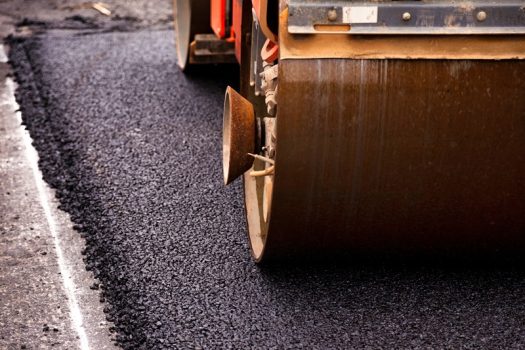
Hot mix asphalt is delivered to the site and spread evenly using specialized paving machines. The material is compacted while still hot to remove air voids and create a dense, uniform surface. Proper compaction is key to preventing cracks, ruts, and early wear.
Step 6: Finishing and Cooling
Once compacted, the asphalt surface is allowed to cool and harden. This curing period typically takes 24 to 48 hours, depending on temperature and thickness. During this time, heavy traffic should be avoided to prevent deformation.
Step 7: Striping and Markings
For parking lots, the final step includes adding painted lines, ADA markings, directional arrows, and signage. High-quality striping enhances both appearance and safety.
How Long Asphalt Paving Takes
The timeline for an asphalt paving project depends on the size and complexity of the job.
- Residential driveways: Usually completed within one to two days.
- Commercial parking lots: May take several days, depending on surface area and weather conditions.
- Roadways or large municipal projects: Can take weeks or months, particularly when multiple layers are required.
Colorado’s variable weather can also influence scheduling. Ideally, paving should occur when temperatures are between 50°F and 85°F, which makes late spring through early fall the most favorable time for asphalt installation.
How Long Asphalt Pavement Lasts
A properly installed and maintained asphalt surface can last anywhere from 15 to 30 years. The longevity depends on several key factors such as quality of base preparation, thickness of asphalt layers, climate conditions, traffic volume, and ongoing maintenance practices.
In Colorado Springs, where freeze-thaw cycles and UV exposure are constant challenges, routine maintenance can make a significant difference in performance and lifespan.
Common Problems and How to Prevent Them
Even the best asphalt can develop issues over time if not properly cared for. Here are some common pavement problems and how to address them.
Cracking
Cracks often form due to thermal expansion, poor base construction, or aging. Regular crack sealing prevents water from seeping into the base and causing further damage.
Potholes
Potholes occur when water infiltrates cracks and weakens the pavement foundation. Cold weather exacerbates this damage through freezing and thawing. Pothole repair and patching should be done promptly to prevent spreading.
Rutting
Ruts form in high-traffic areas when the asphalt surface deforms under repeated pressure. Proper compaction during installation minimizes this risk.
Raveling
Raveling happens when the aggregate starts loosening from the surface, often due to oxidation or poor compaction. Sealcoating helps prevent this by keeping the surface intact.
Fading and Oxidation
UV rays and oxidation cause asphalt to fade and lose flexibility over time. Sealcoating every few years restores its rich black color and protective barrier.
The Importance of Sealcoating
Sealcoating is one of the most effective ways to extend the life of asphalt pavement. It involves applying a protective coating over the surface to shield it from moisture, UV rays, chemicals, and traffic wear.
Key Benefits of Sealcoating
- Protects against oxidation and weather damage
- Reduces water penetration and freeze-thaw damage
- Enhances the pavement’s appearance
- Improves surface traction
- Increases lifespan and reduces long-term costs
In Colorado Springs, where sun exposure and temperature swings are constant, sealcoating every two to three years is a smart investment for maintaining asphalt health.
Drainage: The Unsung Hero of Asphalt Longevity
Poor drainage is one of the most common causes of pavement failure. When water collects on or beneath the surface, it weakens the foundation and accelerates cracking.
A professional paving contractor will design the surface with the correct slope and install drainage structures such as catch basins or trench drains to manage runoff. In Colorado Springs, where sudden rainstorms and snowmelt are common, effective drainage is essential for protecting your investment.
Local Climate Considerations in Colorado Springs
Colorado’s high-altitude climate presents unique challenges for asphalt pavement. The combination of intense UV radiation, freezing temperatures, and dry conditions can accelerate wear and tear.
Here are some ways Pavco addresses these conditions:
- Cold-weather asphalt mixes designed for flexibility and freeze-thaw durability
- Proper compaction techniques to minimize voids and reduce water infiltration
- Regular maintenance plans to seal cracks before they expand
- Seasonal scheduling to optimize paving during the most stable weather periods
By understanding and planning around local weather patterns, Pavco ensures asphalt projects perform reliably year after year.
How to Choose a Reliable Asphalt Paving Contractor
Selecting the right contractor is just as important as choosing the right materials. A skilled, experienced paving team will ensure proper grading, compaction, and installation for long-lasting results.
Here’s what to look for:
- Proven experience with Colorado Springs projects
- References and portfolio of completed work
- Proper licensing and insurance
- Transparent pricing and detailed project proposals
- Use of high-quality materials and modern equipment
- Commitment to safety and local regulations
A reputable paving contractor like Pavco provides a comprehensive process that includes site evaluation, material selection, and long-term maintenance guidance.
Maintaining Your Asphalt After Installation
Once your new pavement is installed, regular care will help preserve its strength and appearance.
Short-Term Maintenance
- Avoid heavy traffic for 24 to 48 hours after installation.
- Keep vehicles stationary in different spots to prevent depressions.
- Clean oil and fuel spills immediately to prevent surface breakdown.
Long-Term Maintenance
- Sealcoat every two to three years.
- Sweep and clean regularly to remove debris and prevent moisture retention.
- Fill cracks as soon as they appear.
- Repaint parking lot striping as needed to maintain a professional look.
- Schedule periodic inspections to identify and address early signs of damage.
Following these maintenance steps can help you avoid costly repairs and extend the life of your pavement by several years.
Sustainability and Recycling in Modern Asphalt Paving
Sustainability plays a growing role in the paving industry. Pavco and other forward-thinking contractors use environmentally friendly practices to reduce waste and conserve resources.
Reclaimed Asphalt Pavement (RAP)
Old asphalt surfaces can be milled and recycled into new pavement, significantly reducing the need for new materials and lowering project costs.
Warm Mix Asphalt
Using lower production temperatures, warm mix asphalt cuts emissions and energy use without compromising strength.
Eco-Friendly Sealers
Modern sealcoating products are designed with reduced volatile organic compounds (VOCs) for a safer, more sustainable finish.
By prioritizing recycling and energy efficiency, Pavco supports both long-term pavement performance and environmental responsibility in Colorado Springs.
The Cost of Asphalt Paving in Colorado Springs
Pricing varies based on several factors, including project size, site accessibility, material thickness, and current oil prices, which influence asphalt costs.
On average:
- Residential driveways: $5 to $10 per square foot
- Commercial parking lots: $3 to $7 per square foot depending on complexity and striping requirements
- Resurfacing projects: $2 to $4 per square foot
While these estimates provide a starting point, a detailed quote from Pavco ensures accurate pricing tailored to your property and needs. Investing in quality materials and workmanship pays off in longevity and reduced maintenance costs.
Frequently Asked Questions
How long should I stay off newly paved asphalt?
You should wait at least 24 to 48 hours before driving on fresh asphalt to allow it to cool and harden fully.
Can asphalt be installed in cold weather?
Asphalt can be installed in cool weather, but the ideal range is 50°F to 85°F. During Colorado winters, most paving work pauses until temperatures stabilize.
How often should I reseal my asphalt?
Most experts recommend sealcoating every two to three years to protect the surface from oxidation, UV rays, and moisture.
What’s the difference between resurfacing and repaving?
Resurfacing adds a new layer of asphalt over the existing pavement, while repaving involves removing and replacing the entire surface.
How can I prevent cracks and potholes?
Routine maintenance, timely crack sealing, and proper drainage design are the best defenses against pavement damage.
Does Pavco handle both residential and commercial paving?
Yes, Pavco provides full-service paving solutions for homeowners, property managers, and businesses across Colorado Springs.
What makes Pavco different from other paving companies?
Pavco combines high-quality materials, expert craftsmanship, and a commitment to doing the job right. Every project receives personalized attention and long-term support.
Why Partner with Pavco for Asphalt Paving in Colorado Springs
When you choose Pavco, you’re choosing a local partner that understands the unique demands of Colorado’s environment. From small residential driveways to expansive commercial parking lots, Pavco’s team delivers precision, reliability, and long-term value.
Our process focuses on doing things the right way, starting with proper site preparation and ending with a finished surface built to endure. We use high-performance materials, modern equipment, and proven techniques to ensure your asphalt investment stands the test of time.
Whether you’re upgrading an aging driveway, repairing a damaged parking lot, or building new infrastructure from the ground up, Pavco provides the expertise and service you can count on.
Key Takeaways
- Asphalt is a cost-effective, durable, and flexible material ideal for Colorado Springs’ climate.
- Proper installation and drainage design are critical for longevity.
- Regular maintenance, including sealcoating and crack repair, extends lifespan and saves money.
- Local weather conditions should guide project timing and material selection.
- Partnering with an experienced contractor like Pavco ensures quality, compliance, and performance.
Schedule Your Free Consultation
If you’re planning a new asphalt project in Colorado Springs, trust Pavco to deliver results that last. Our experienced team provides detailed estimates, transparent communication, and expert guidance from start to finish. Contact Pavco today to schedule your free consultation and discover why we’re Colorado Springs’ trusted choice for professional asphalt paving.