
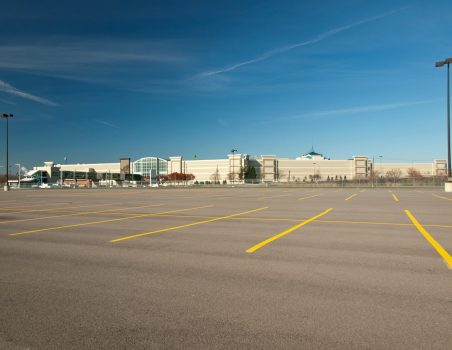
Nobody notices good striping. They notice bad striping. A driver who cannot tell where a space starts, a delivery truck parked in a fire lane, a customer circling the lot twice because the arrows faded three winters ago. Striping is one of those small details that quietly shapes how your property feels, and when it comes to accessible parking, it carries real weight beyond looks.
Here is what Colorado Springs property owners and managers should know about keeping a lot clear, safe, and in line with ADA expectations.
Why striping deserves a spot on your maintenance calendar
Most owners put their budget toward the pavement itself and treat paint as an afterthought. That makes sense until a tenant complains or someone nearly gets clipped in a crosswalk. Faded lines cost you in small ways that add up. Drivers park crooked and you lose spaces. Entrances and turns get confusing, which leads to fender benders. And a tired looking lot tells customers something about the business behind it before they ever walk through the door.
Fresh striping is also one of the more affordable ways to make a property look cared for. It is a quick project, it rarely needs heavy equipment, and the before and after difference is hard to miss.
What ADA compliant parking looks like
The 2010 ADA Standards for Accessible Design lay out the basics for accessible parking, and the numbers matter because a space that is a few inches too narrow is not compliant, no matter how good the sign looks. In general terms:
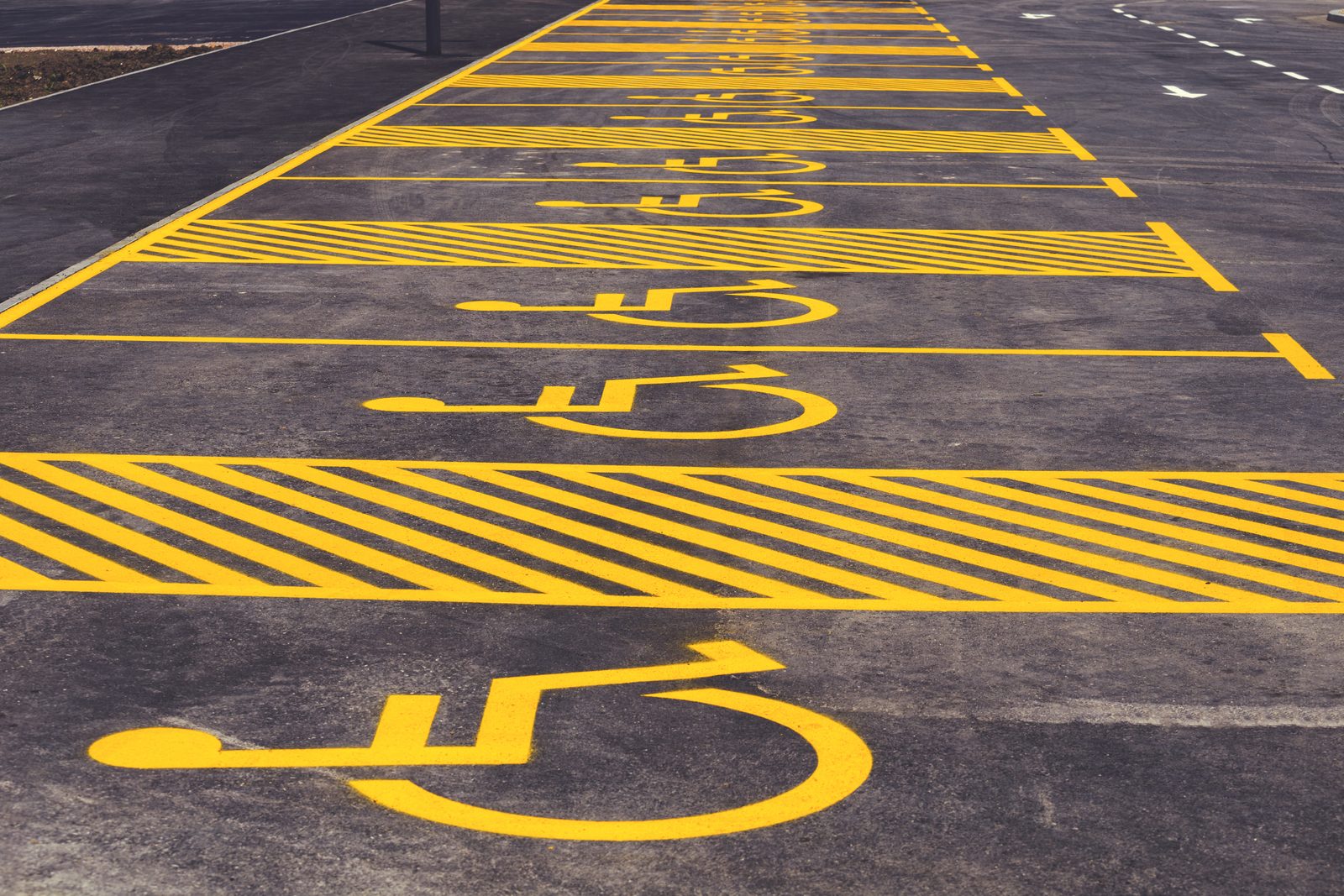
- A standard accessible space needs to be at least 96 inches wide and sit next to an access aisle at least 60 inches wide.
- Van accessible spaces can be 132 inches wide with a 60 inch aisle, or 96 inches wide with a 96 inch aisle.
- At least one in every six accessible spaces must be van accessible.
- The number of accessible spaces depends on lot size. A lot with 1 to 25 spaces needs at least one, and 26 to 50 spaces needs at least two, with the count climbing from there.
- Access aisles are typically marked with hatch lines so nobody parks in them, and accessible signs need to be mounted where a parked vehicle will not block them.
Requirements can change based on the type of property and local codes, so it is smart to confirm your specifics with your local building department or an accessibility specialist. A good striping contractor will know the basics and can lay out your markings with those measurements in mind.
Colorado Springs is hard on paint
Our weather does not do striping any favors. Freeze and thaw cycles work moisture into the surface, snowplow blades scrape across painted lines all winter, and deicers eat away at paint. Add strong UV exposure at roughly 6,000 feet of elevation and lines fade faster than many owners expect. Drive lanes, entrances, and spots near the front door take the worst of it.
Many commercial lots need restriping every one to three years, depending on traffic and how harsh the winter was. If your lot sees constant turnover, like a retail center or medical office, lean toward the shorter end.
Timing matters: stripe after the surface work
If you are planning any pavement work, striping should be the last step, not an afterthought. Fresh sealcoat needs time to cure before lines go down, and striping over a surface that is still tacky leads to smearing and poor adhesion. Weather plays a part too, since most traffic paint wants dry conditions and moderate temperatures to bond well.
Pairing striping with parking lot sealcoating is one of the easiest ways to make a lot look brand new. If you are doing parking lot resurfacing or new paving, that is also the best moment to rethink your layout. You can add accessible spaces, adjust traffic flow, and fix awkward spots that have bugged you for years, all before the first line is painted.
Signs it is time to restripe
- Lines look washed out when the pavement is dry, and nearly invisible when it is wet or after snow.
- Drivers are parking at angles or straddling spaces.
- Your accessible spaces, symbols, or hatch lines are hard to make out.
- Fire lanes and no parking zones have lost their markings or wording.
- Arrows and crosswalks have worn down to ghosts of themselves.
Fire lanes deserve a quick note of their own. Dimensions and wording are often set by your local fire department, so check their requirements before repainting those zones.
What to ask a striping contractor
Not all striping jobs are equal. A few questions go a long way. Do they measure and lay out the lot, or just paint over what is there? Do they understand accessible parking requirements? What kind of paint do they use, and how long before vehicles can drive on it? Can they phase the work so part of the lot stays open for your customers? A contractor who answers these clearly is usually one who has done the job many times.
At Pavco, parking lot striping is part of how we handle the whole pavement picture, from paving and repair to sealcoating and resurfacing. If you are not sure where your lot stands, contact us and we will take a look and give you a free quote. No pressure, just a clear answer on what your lot needs and when.
FAQ
How often should a parking lot be restriped?
Many commercial lots need it every one to three years. High traffic lots and lots that see heavy snow removal usually land on the shorter end.
Can you stripe right after sealcoating?
Not right away. Sealcoat needs to cure first, usually a day or two depending on the weather, before striping goes down.
Do I need to update my striping if I change my layout?
If you add, remove, or move accessible spaces, the markings, access aisles, and signage should be updated to match. It is worth having someone check the measurements before the paint goes down.
Can striping be done without shutting down my whole lot?
Often, yes. Work can usually be phased so part of the lot stays open while the rest is being marked.